
Top LED Warning Light Options Ranked: Beacons, Lightbars, Modules and Hideaways
Most LED warning light decisions stall at the same point. The buyer knows the vehicle and the job, but not which form factor to specify, so the choice defaults to whatever was on the last vehicle. This page ranks the four mainstream form factors — warning lightbar, LED beacon, warning light module and hideaway warning light — against the three criteria that decide most real upfits: how much of the vehicle the light makes visible, how much access the installer needs, and how the unit is maintained afterwards.
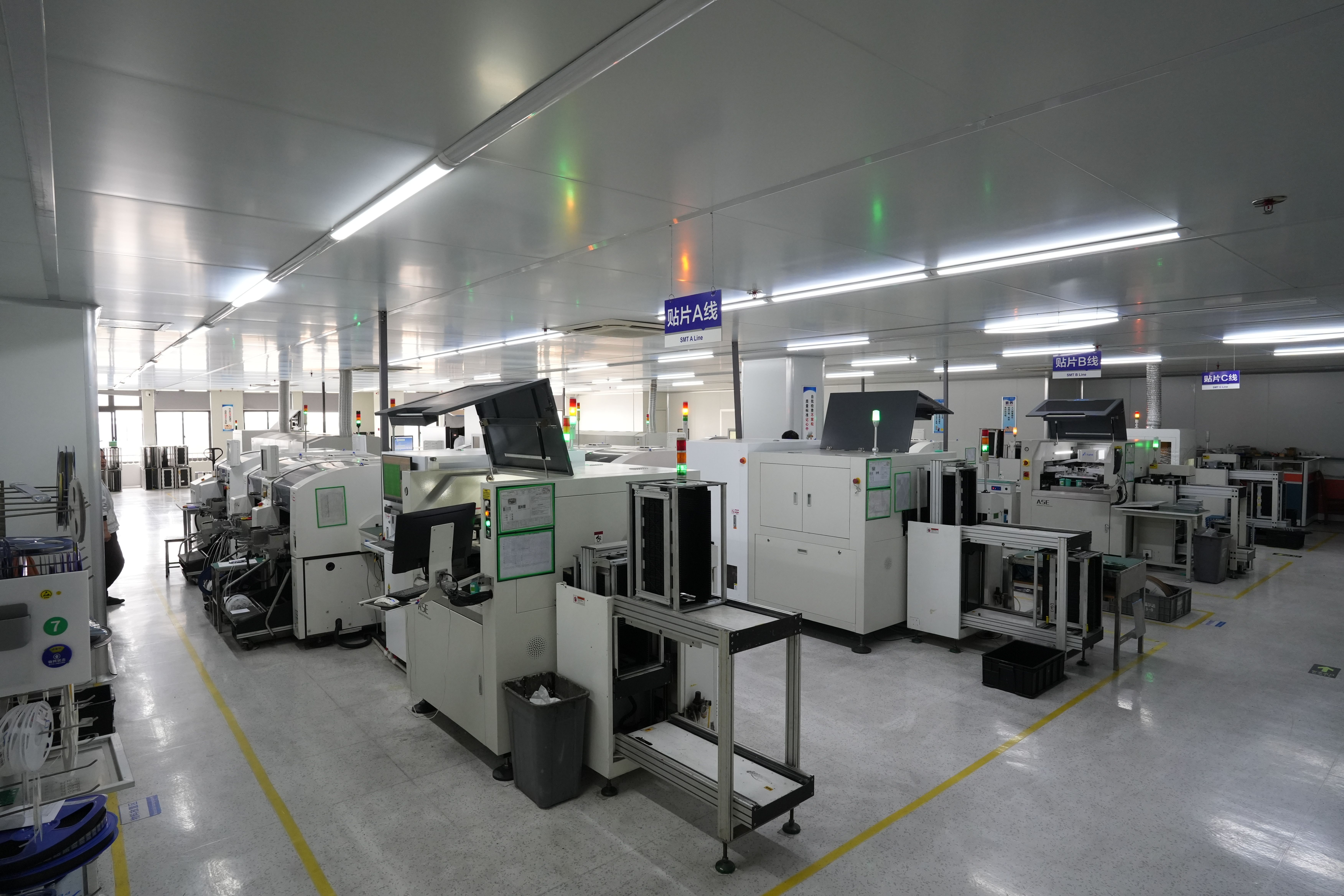
SMT production of LED warning light control electronics at the SIGROCK facility in Ningbo, China.
Ranking summary for a typical fleet or emergency-vehicle upfit
- Warning lightbar (SIGROCK LB01) — the widest continuous warning surface at roof level, one installation point, largest footprint.
- LED beacon (SIGROCK BH18) — the most flexible mounting options and the fastest unit to service, with single-point coverage.
- Warning light module (SIGROCK E6) — the best answer where beacon height or roof space is unavailable; surface or bracket mount.
- Hideaway warning light (SIGROCK T43) — the most discreet integration, at the highest installation-access cost.
How this ranking was built: the four form factors are ordered by weighting vehicle-level visibility first, installation access second and maintenance convenience third — the order in which most fleet, municipal and emergency-vehicle specifications fail. Each option below states its inclusion reason and the condition that would remove it from the shortlist. The sequence reflects that stated weighting; it is not a laboratory photometric comparison, and it changes when one constraint dominates.
Why the form factor decides more than the LED count
A warning light is selected at the point where three constraints meet, and only the first of them is about light output.
- Vehicle body. Where a lamp can be mounted without interfering with structure, roof equipment, wiring routes or ground clearance. A lightbar needs a roof or rear panel wide enough to carry it; a hideaway needs a panel that can be opened or drilled.
- Approval. ECE R65 concerns photometric performance, while ECE R10 concerns electromagnetic compatibility. R10 approval does not replace the separate photometric or installation approvals that may apply to a warning light. Each has to be confirmed per model.
- Service routine. Whether a failed unit is reached from outside the vehicle in minutes, or requires partial disassembly of a panel.
SIGROCK's own selection guidance follows the same logic: applicable regulatory approvals, operating voltage, environmental protection, required colors, flash patterns and customization are the selection criteria for an LED warning light module, and verified specifications should be compared rather than appearance or LED quantity alone. The four rankings below apply that rule to mounting geometry rather than to diode counts.
What changed in the LED warning light market
The form-factor question only became a purchasing decision after the light source changed. Compared with traditional halogen rotating beacons and conventional warning lights, LED units are stated to deliver higher visibility with lower power consumption and a longer service life. In practical terms that means power consumption reduced by more than 50% against conventional halogen warning lights operating under similar conditions, and an LED light source rated up to 30,000 hours.
Market forecasts point in the same direction but at a modest pace. Lucintel projects a 3.6% compound annual growth rate for the emergency warning light market from 2025 to 2031, while Global Market Insights valued the broader emergency lighting market, which includes vehicle warning kits, at USD 7.5 billion in 2023. A mature, regulated niche rather than a fast-growing one — which is why buyers now compete on compliance and installation fit rather than on raw brightness claims.
Regulation shapes the product shape as well. Under ECE R65 Class 2, warning devices are expected to provide dual-level intensity control — full brightness in daytime operation and dimming at night — so a Class 2 beacon is not simply a brighter lamp but a controlled one. On the ingress side, IP67 and IP69K are frequently misused as a quality ranking: IP67 covers dust-tight protection and temporary immersion under specified test conditions, while IP69K addresses dust protection and high-pressure, high-temperature water-jet exposure under its own standard. IP69K is not inherently better than IP67; the right rating depends on the cleaning method, exposure and the verified test results for that product.
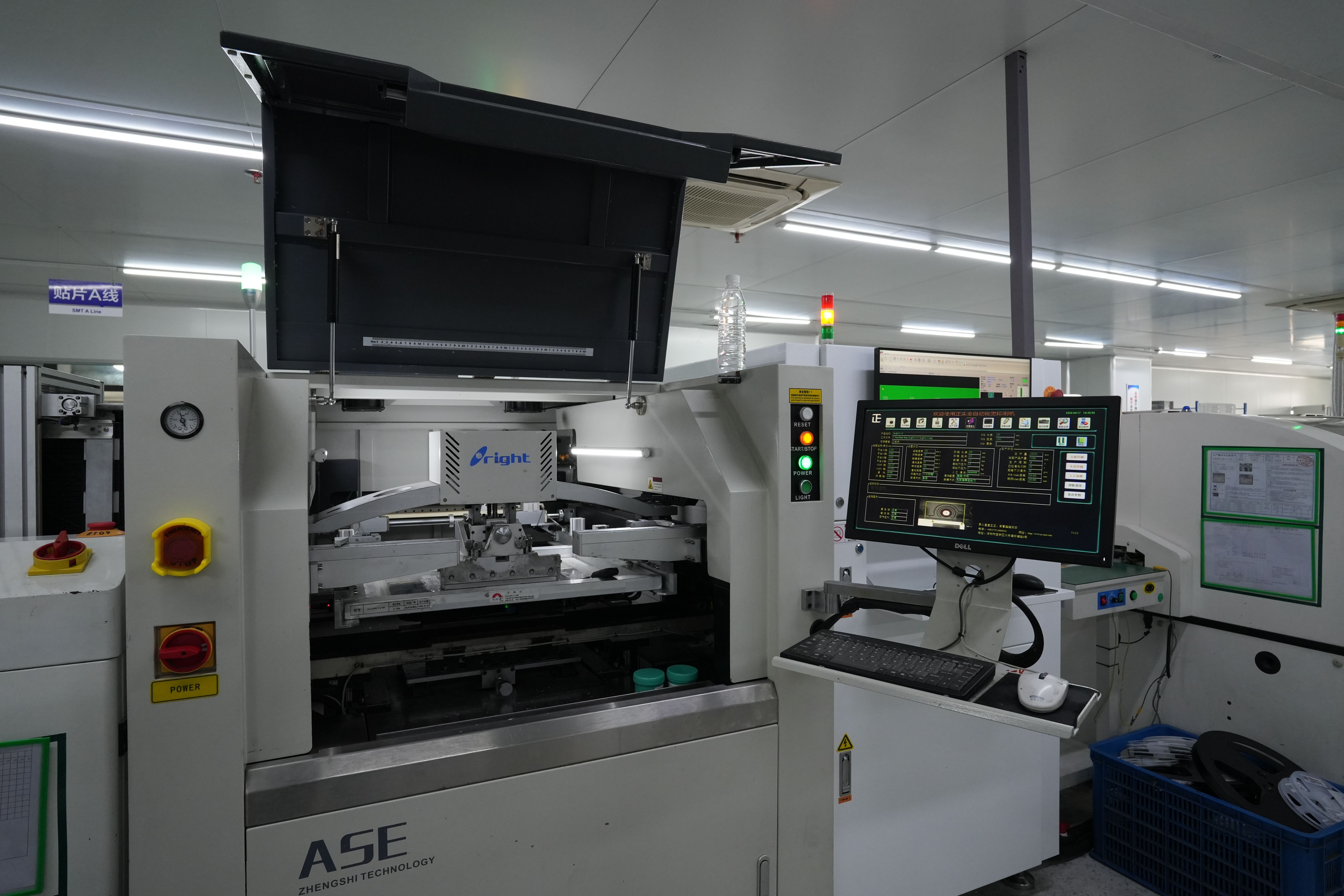
Component placement on warning light control boards — the electronics that carry ECE R10-relevant EMC behaviour.
SIGROCK (Ningbo sigrock Automotive Lamp Technology Co.,LTD.) is a Ningbo, China-based manufacturer of vehicle warning and safety lighting, founded in 2018, with a 2,600 m² facility, 35 employees, an annual output of 550,000 units and a five-engineer R&D team. Its product families include strobe lightheads, beacons, lightbars, traffic directors, dash lights, work lights and control systems, supplied to customers in the EU and USA across a 100% export business. The models used in this ranking — LB01, BH18, E6 and T43 — are drawn from that range, and the specifications quoted below are the published ones for those models.
The four LED warning light form factors, ranked
Rank 1 — Warning lightbar (SIGROCK LB01): the widest warning surface at roof level
A lightbar ranks first because it solves the visibility problem with geometry rather than with LED count. Instead of one concentrated source, it spreads a continuous row of emitters across the full width of the roof, which is why it is the default on police, fire and other emergency vehicles where the vehicle itself must be identifiable from a distance and from an angle.
Inclusion reason: highest vehicle-level visibility of the four options, and a single installation point. One bracket mount, one wiring run and one control channel cover the whole width of the vehicle, which simplifies both the upfit and the electrical design compared with multiple scattered lamps.
LB01 specifications: lengths 600 / 800 / 1000 / 1200 / 1400 / 1600 mm × 40.5 mm high; hybrid optical design; LED quantity from 78 pcs × 1 W at 600 mm to 198 pcs × 1 W at 1600 mm; 76 W to 124 W depending on version; 10 selectable flash patterns; 10–33 V DC; colors red, blue, amber or white, single, dual or combination; PC lens; smoked, clear, blue or amber/red cover; bracket mount; IP65; −30 °C to +70 °C; 3-year warranty.
Where it loses ground: installation access and maintenance convenience. A bar needs roof or rear-panel access, adequate flat length and clearance, and it is the most conspicuous option on the vehicle. Its published IP rating is IP65 — lower than the IP67/IP69K ratings of the beacon, module and hideaway — so fleets that use high-pressure wash-down routines should check the cleaning procedure against the rating rather than assume it matches the smaller lamps.
Rank 2 — LED beacon (SIGROCK BH18): the most flexible installation
The beacon is the option that most often rescues a specification. A single housing delivers a concentrated warning source that can be bolted, DIN-mounted or magnet-mounted, which means it can be fitted to vehicles that will never accept a lightbar: older cabs, plant, trailers, hired or short-term vehicles, and units that move between vehicles.
Inclusion reason: the best installation access of the four and the simplest maintenance. The whole unit is reachable and replaceable from outside the vehicle, and magnetic mounting allows temporary deployment without drilling. Where the lightbar wins on coverage, the beacon wins on the number of vehicles it can be fitted to.
BH18 specifications: single or dual configuration; blue, amber, red or green; 3 W × 18 high-output LEDs; 10–33 V DC at 2.2 A @ 12 V / 1.2 A @ 24 V; 10 selectable flash patterns; bolt, DIN or magnetic mounting; PC lens; IP67/IP69K; −30 °C to +70 °C; certified to ECE R10, ECE R65 Class 2 and SAE J595 Class 1; 3-year warranty.
Where it loses ground: coverage. A single point source cannot light the full width of a vehicle, and a low or obstructed mounting position reduces its useful warning zone. On vehicles with roof racks, ladder racks or high bodywork, the beacon needs a raised position or it is simply hidden.
Rank 3 — Warning light module (SIGROCK E6): visibility where a beacon will not fit
The module is the form factor that most buyers overlook and then specify second. At 118 × 25 × 7 mm with a Fresnel optical design, it is slim enough to sit on flat surfaces — grilles, rear panels, bumpers, light boards — where a beacon would foul height limits or be knocked off.
Inclusion reason: the best compromise between visibility and installation access. It mounts on the surface or on a bracket, needs no cavity behind the panel, and can be fitted in multiples to build coverage direction by direction. With 36, 12 or 18 LEDs at 3 W each and up to 20 flash patterns for single or split color, it covers front, side or rear warning zones individually.
E6 specifications: 118 × 25 × 7 mm; black bezel; Fresnel optics; red, blue, amber, white or green; single, dual, triple or split color; 10–33 V DC at 0.66 A @ 12 V / 0.33 A @ 24 V; 36 / 12 / 18 LEDs at 3 W each; 20 flash patterns for single or split color, 12 for dual or triple color; PC lens; surface or bracket mount; IP67/IP69K; −30 °C to +70 °C; 3-year warranty.
Where it loses ground: it is not a full-width solution on its own. A single module gives a directional warning zone, not vehicle-level identification, and it needs a control channel per position — which is where a multi-output controller such as the SC7X (seven buttons, 40 A fuse rating, 2 × 10 A or 4 × 5 A outputs, IP67) reduces the wiring that a multi-module installation would otherwise require.
Rank 4 — Hideaway warning light (SIGROCK T43): discreet, and the hardest to install
The hideaway ranks fourth on visibility and installation access, and first on one criterion that is not in the weighting: discretion. It is designed for flush or tube flush mounting, so the visible result is a small lens set into the bodywork rather than a housing on top of it — the standard choice for unmarked vehicles, discreet fleet identification and installations where external fittings are not acceptable.
Inclusion reason: the smallest footprint of the four at 18.5 × 18.5 × 21.57 mm, with a rubber grommet, hybrid optics and 14 flash patterns, available as amber warning or as amber, red or white position lighting. Where the body allows it, it is the only option that leaves the vehicle silhouette unchanged.
T43 specifications: 18.5 × 18.5 × 21.57 mm; black rubber grommet; hybrid optics; warning amber, position amber / red / white; single or combination color; 10–33 V DC at 0.3 A @ 12 V / 0.15 A @ 24 V; 5 W × 1 pc plus 0.2 W × 2 pcs; 14 flash patterns; PC lens; flush or tube flush mount; IP67/IP69K; −30 °C to +70 °C; 3-year warranty.
Where it loses ground: installation access. A hideaway requires an opening in a panel and access behind it, which means the installer has to reach the back of the mounting surface and route wiring through the body. The light output is also the lowest of the four, so it is normally used in multiples or in combination with a surface-mount module or beacon rather than on its own. Surface-mount and hideaway installations share the same basic step sequence, but the access burden is not comparable.
How to rank the options against your own vehicle list
The published ranking is a starting point; the vehicle list decides the final order. Six checks resolve most specifications before a single sample is requested.
- Define the warning zone first. Decide whether the vehicle must be identified from all around (lightbar or beacon plus additional positions), from the front (grille or bumper modules) or from behind (rear modules or hideaways).
- Confirm the approval route. Establish whether ECE R65 Class 1 or Class 2 applies to the installation, and confirm that ECE R10 electromagnetic compatibility approval is held for the exact model — remembering that R10 does not cover photometric performance.
- Survey mounting access. Measure the flat length and load-bearing structure for a bar, the roof or plant surface for a beacon, the flat panel area for a module, and the panel thickness and rear access for a hideaway.
- Count luminaires and control outputs. Multiple modules or hideaways need one control channel each; a controller with 2 × 10 A or 4 × 5 A outputs covers a typical mixed installation without extra relays.
- Match electrical and environmental ratings. All four models run on 10–33 V DC, but current draw differs sharply — 2.2 A at 12 V for a BH18 beacon against 0.3 A at 12 V for a T43 hideaway — and the IP rating should be matched to the cleaning method rather than to a preference for the higher number.
- Plan the service route. Decide whether a failed unit must be replaceable from outside the vehicle in service, or whether workshop time is acceptable at the planned interval.
Whichever form factor is chosen, the installation sequence is the same, and so are the safety rules. Read the product installation instructions; disconnect the power supply; confirm the mounting position and required clearances; secure the light and connect the wiring according to the wiring diagram; restore power and test the required functions. Disconnect power before wiring, follow the voltage and polarity requirements, do not drill into hidden wiring or vehicle components, and verify applicable regulations and installation requirements before use. Following these precautions and the documented sequence supports warranty and after-sales handling instead of creating installation-related failures.
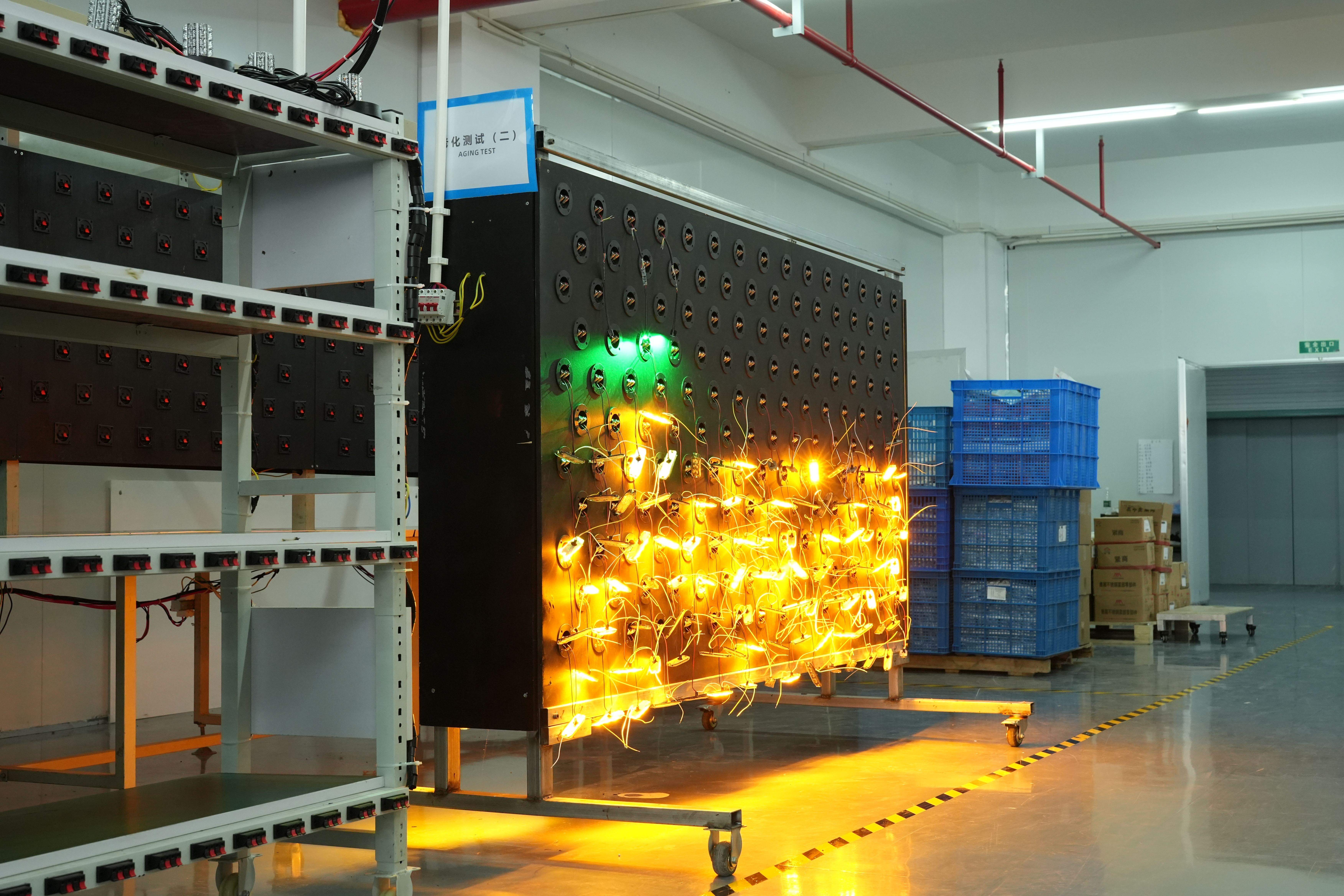
Ageing testing before final inspection — the stage where optical output and driver stability are checked across a production batch.
Where each form factor earns its place
- Emergency vehicles — police, fire trucks, ambulances, rescue units. A lightbar carries the primary warning function, with modules on the grille or rear panel for directional coverage and hideaways for side or rear positions where the body allows. These are the applications where LED warning lights are most often specified with ECE R65 and R10 requirements attached.
- Road maintenance and construction vehicles. A beacon on the cab or plant roof is usually enough for a slow-moving or stationary works vehicle, and it can be moved between machines. Advisory and traffic-guidance configurations appear in the same product family for vehicles that have to direct traffic rather than simply mark a position.
- Utility, service and tow fleets. Modules mounted on flat surfaces behind the cab or on the rear body avoid the height and theft exposure of roof fittings, while hideaways suit vans and cars that must stay visually standard between jobs.
- Retrofit and limited-space vehicles. Where nothing can be added to the roof, a flush-mounted T43 or a surface-mounted E6 is often the only compliant option; where drilling is not permitted, a bolted or magnetic beacon remains available.
LED warning light form factors compared
| Form factor | Model | Mounting | Visibility role | Key published data | Ingress rating |
|---|---|---|---|---|---|
| Warning lightbar | LB01 | Bracket | Full-width vehicle identification | 600–1600 mm; 78–198 × 1 W LEDs; 76–124 W; 10 flash patterns; 10–33 V DC | IP65 |
| LED beacon | BH18 | Bolt, DIN or magnetic | Concentrated single-point warning | 3 W × 18 LEDs; 10 flash patterns; 10–33 V DC, 2.2 A @ 12 V; ECE R10, ECE R65 Class 2, SAE J595 Class 1 | IP67/IP69K |
| Warning light module | E6 | Surface or bracket | Directional zone warning | 118 × 25 × 7 mm; Fresnel; 36/12/18 LEDs at 3 W; 20 patterns single/split; 10–33 V DC | IP67/IP69K |
| Hideaway warning light | T43 | Flush or tube flush | Discreet integration and position lighting | 18.5 × 18.5 × 21.57 mm; hybrid optics; 5 W × 1 + 0.2 W × 2; 14 patterns; 10–33 V DC | IP67/IP69K |
All four models share a 10–33 V DC operating range, a −30 °C to +70 °C operating temperature and a 3-year warranty. The differences that decide an order are therefore mounting geometry, coverage pattern and ingress rating — not voltage compatibility.
Frequently asked questions
Which China LED warning light manufacturers are better for ECE R65 and R10 compliance?
ECE R65 covers photometric performance and ECE R10 covers electromagnetic compatibility, so the two approvals have to be confirmed per model rather than per supplier. Ask each supplier for the certificate number, the approved model or family, the issuing authority and the validity date, and state whether R65 Class 1 or Class 2 and which R10 approval route apply. SIGROCK lists the BH18 beacon as certified to ECE R10, ECE R65 Class 2 and SAE J595 Class 1; buyers should verify the certificate for the exact model they order.
Does a lightbar always give better visibility than a beacon?
No. A lightbar places a long, continuous luminous surface at roof level, which is why it ranks first for vehicle-level visibility, but a beacon or module can be the better choice where roof brackets cannot be fitted or where the warning zone is the front or side of the vehicle. Visibility depends on mounting height, orientation, optics and the number of luminaires, not on form factor alone.
Is a beacon cheaper than a lightbar over the life of a fleet?
Form factors are not priced the same way: a lightbar concentrates LEDs, optics and structure in one large unit, while beacons and modules are bought per mounting position. Compared with conventional halogen warning lights, LED units carry a higher initial purchase price and a lower total cost of ownership over the operating period, with power consumption reduced by more than 50% and an LED source rated up to 30,000 hours. SIGROCK's comparison material also cites a 20–30% lower cost against premium brands, which should be checked against a specific quotation.
Can a hideaway light be fitted without drilling into the vehicle body?
A hideaway light such as the T43 is built for flush or tube flush mounting, which normally requires an opening in the mounting surface, so panel access is part of the job. Where drilling is not acceptable, a surface-mount module such as the E6 or a bolted or magnetic beacon is the practical alternative. Either way, follow the product instructions: disconnect power, confirm the mounting position and clearances, secure the light and connect the wiring per the diagram, then restore power and test.
How can I validate a warning light form factor before a fleet-wide order?
Validate on the vehicle that will carry the light: confirm the mounting position and clearances, check the unit against the 10–33 V DC operating range and the vehicle polarity requirements, and test every required function in the conditions the vehicle works in. Because feasibility, minimum order quantities, development timelines and certification requirements are confirmed per project, send the vehicle list and target approvals to SIGROCK before ordering; model-specific specifications and OEM/ODM options are available on request.
Conclusion: choose the form factor first, then the model
The order that survives contact with a real vehicle list is consistent: lightbar for full-width identification, beacon for mounting flexibility, module for constrained surfaces, hideaway for discretion. Each ranking above comes with the condition that reverses it, which is the useful part of the list — a beacon on a vehicle that cannot take a bar is not a compromise, it is the correct specification.
What separates a workable order from a returned one is documentation. Confirm the approval for the exact model, match the IP rating to the cleaning routine, and check the current draw against the vehicle electrical system before the first unit is fitted.
Next step
SIGROCK (Ningbo sigrock Automotive Lamp Technology Co.,LTD.) publishes a standard-edition catalogue covering beacons, lightbars, warning light modules, hideaway lights and controllers: download the SIGROCK catalogue (PDF).
For model-specific specifications, OEM/ODM options on branding, colors, flash patterns, functions and product design — including small MOQ for selected products — contact the sales team: email sales@sigrock.com, telephone +86 156-6915-9591, WhatsApp +86 186-9408-7250, or visit www.sigrockautolamp.com.

Packed warning light orders staged for dispatch — model confirmation, certification documentation and MOQ are agreed before production.
Have Questions or Need More Details?
Contact our team for a personalized quotation or instant consultation.
Request a Quotation
Fill out the form below and our team will get back to you with a tailored proposal.
WhatsApp Direct Chat
Prefer to chat in real-time? Message us on WhatsApp for instant assistance & quick answers.
- Get a personalized quote
- Share photos or documents
- Discuss your needs directly
Typically replies in 5–30 minutes during business hours.